

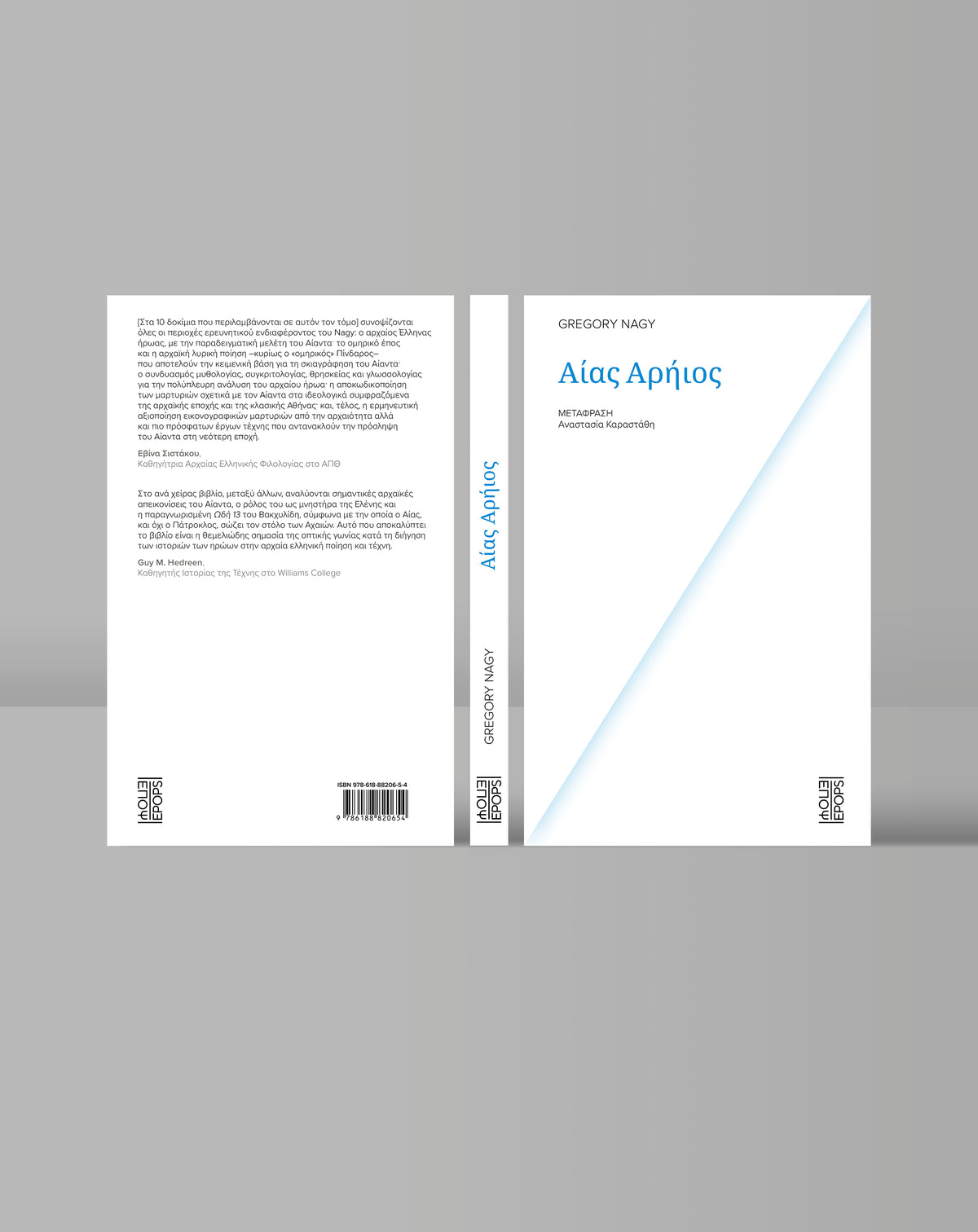
No Greek epic hero deserved more praise, yet was less well treated in the epic tradition, than the hero Ajax, and no modern scholar is better able to analyze the fortunes of Ajax in early Greek poetry than Gregory Nagy. Nagy brings his pioneering theory of the intricate interactions between the genres of praise and blame poetry to bear on the narrative traditions concerning this beloved and unfortunate hero. He does this by reading the early epic accounts about Ajax,the hero’s military importance to the Achaeans, quarrel with Odysseus, rejection by his peers, and death at his own hand, through the point of view of the praise poet Pindar, who finds the epic tradition blameworthy for its treatment of this hero. “Where is the poetic justice here?” is the question that Nagy returns to repeatedly. The book also touches on important archaic visual representations of the hero Ajax, his role as a suitor to Helen, and the under-appreciated poem 13 of Bacchylides, in which it is Ajax, not Patroklos, who saves the Achaean fleet. What the book reveals is the fundamental importance of point of view in the telling of the tales about heroes in early Greek poetry and art. Guy M. Hedreen [Amos Lawrence Professor of Art at Williams College]