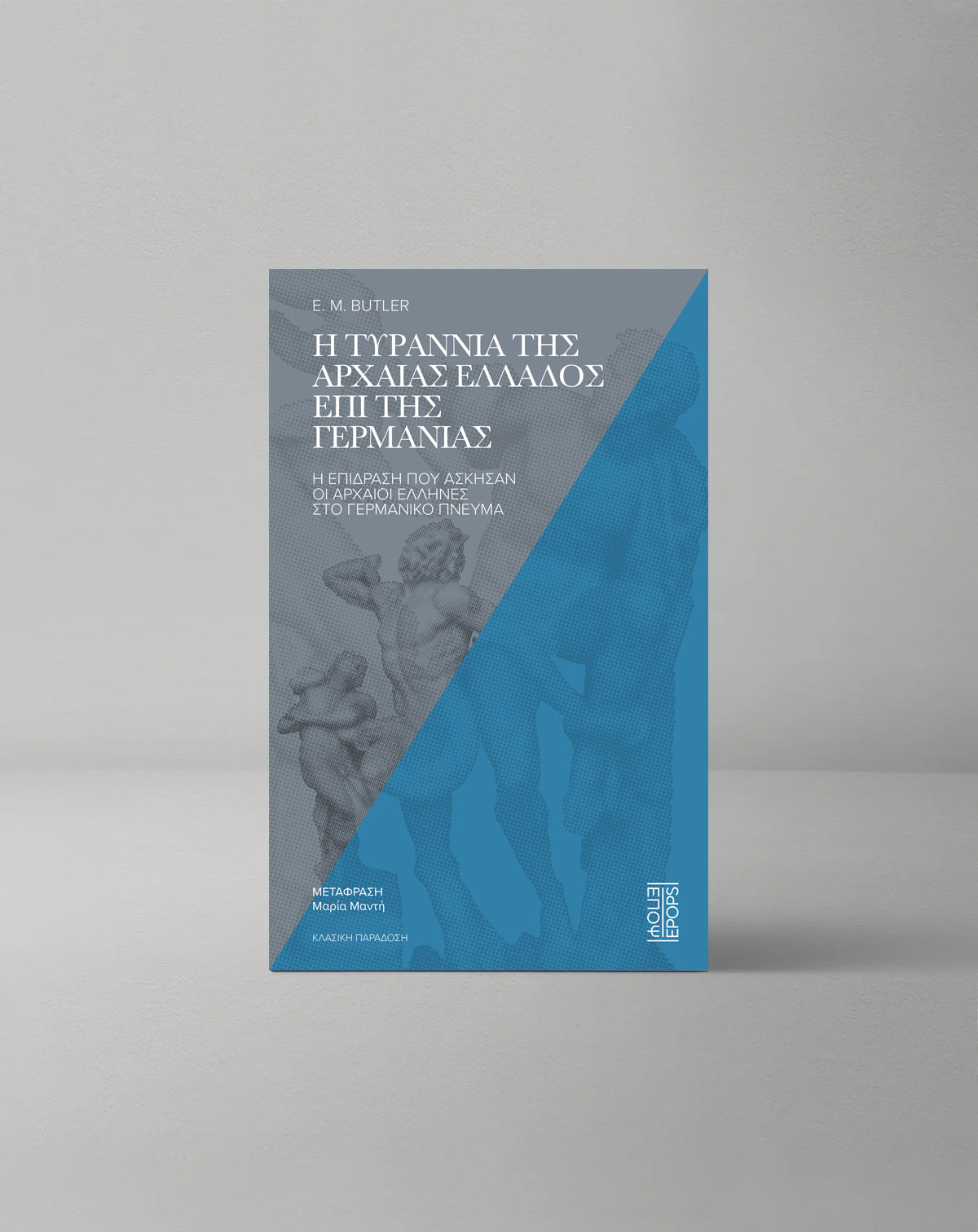
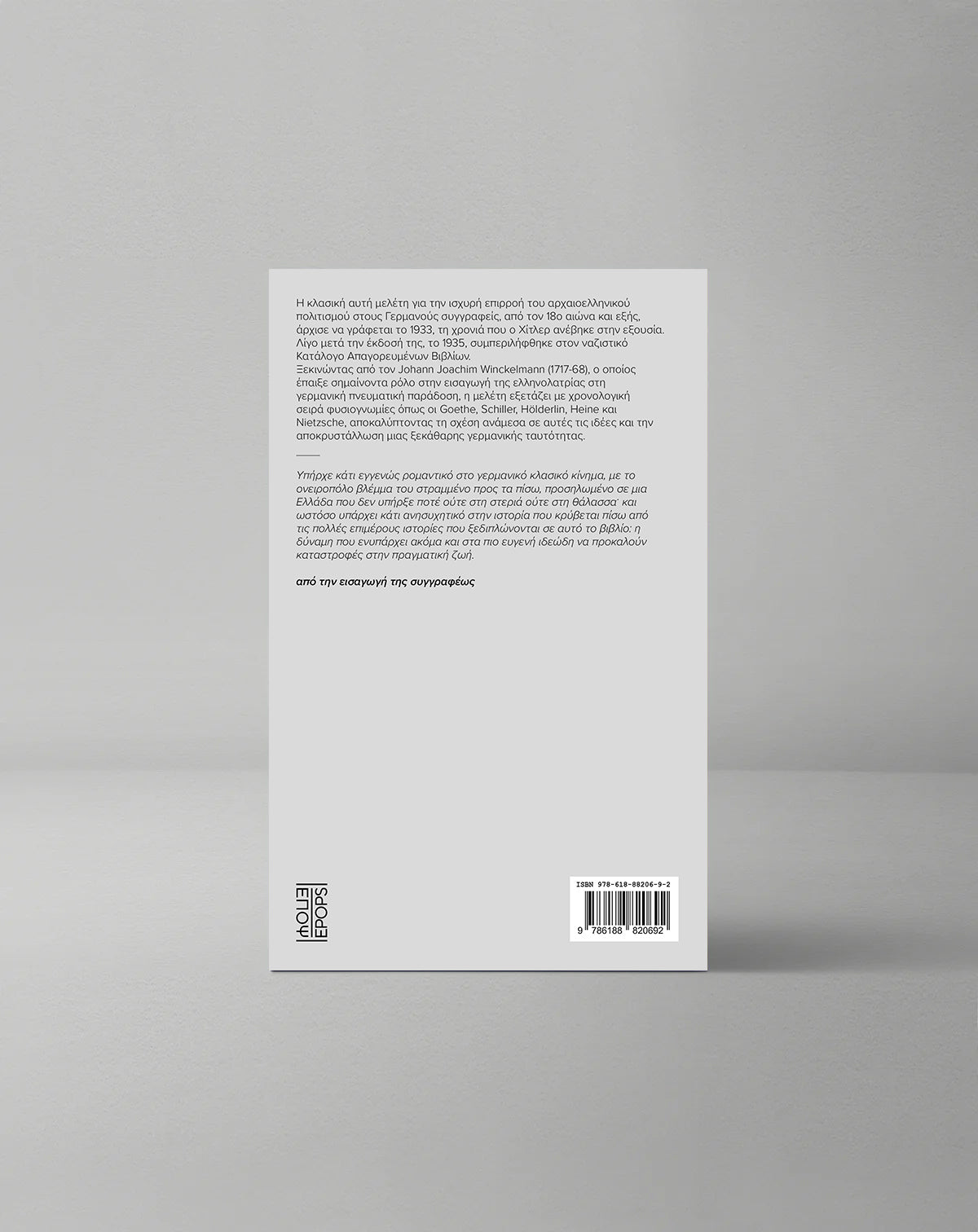
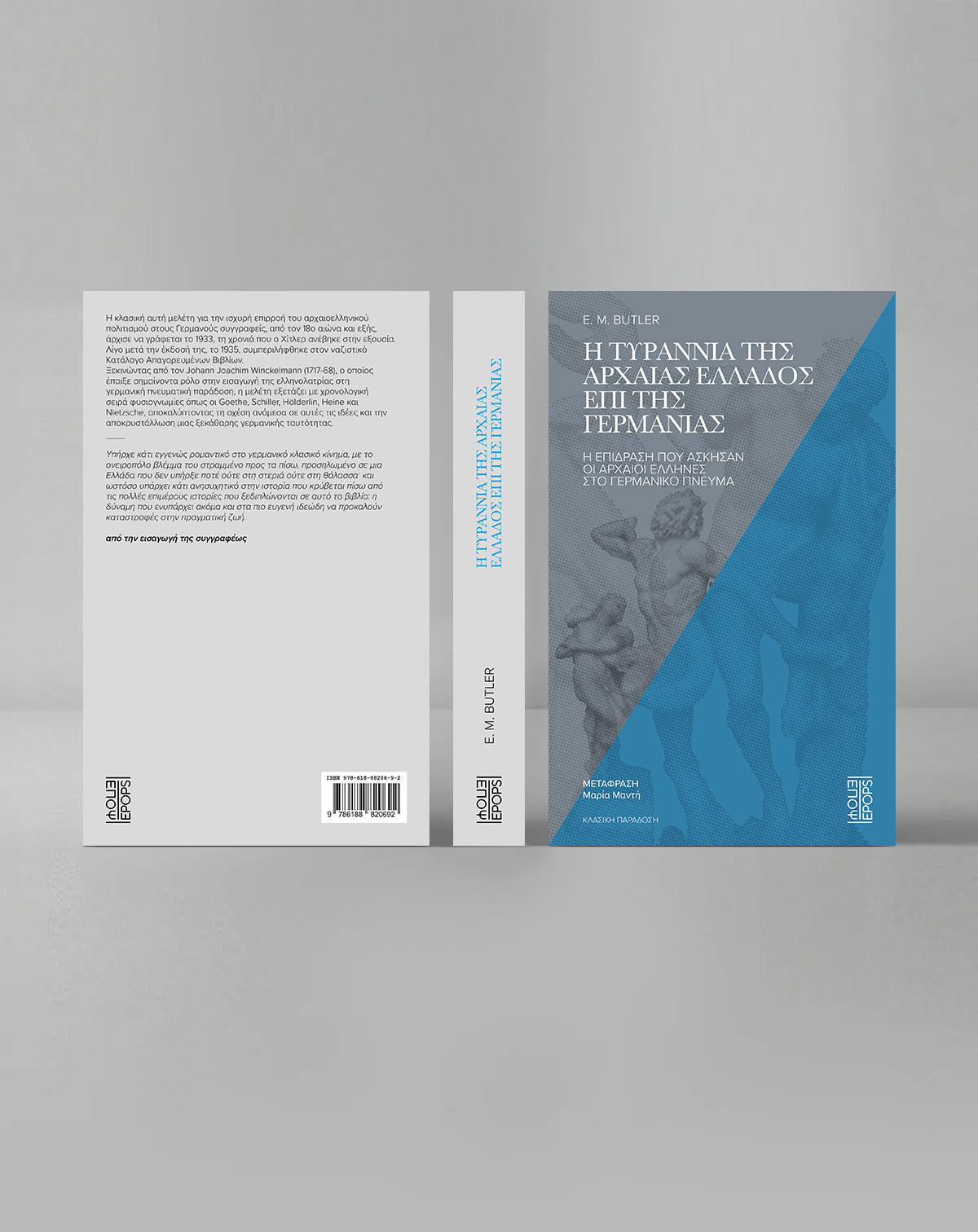
This classic study of the powerful influence exerted by ancient Greek culture on German writers from the eighteenth century onward began to take shape in 1933, the year Hitler came to power. Shortly after its publication in 1935, it was included in the Nazi List of Banned Books.
Beginning with Johann Joachim Winckelmann (1717–1768), who played a major role in introducing Hellenic ideas into the German intellectual tradition, the study examines figures such as Goethe, Schiller, and Heine in chronological order, revealing the relationship between these ideas and the crystallisation of a distinct German identity.
There was something inherently romantic in the German classical movement, with its dreamy gaze turned backwards, fixed upon a Greece that had never existed on either land or sea. And yet there is something unsettling in the larger history that lies behind the many individual stories unfolding in this book: the power inherent even in the noblest ideals to cause destruction in real life.
—From the author’s introduction