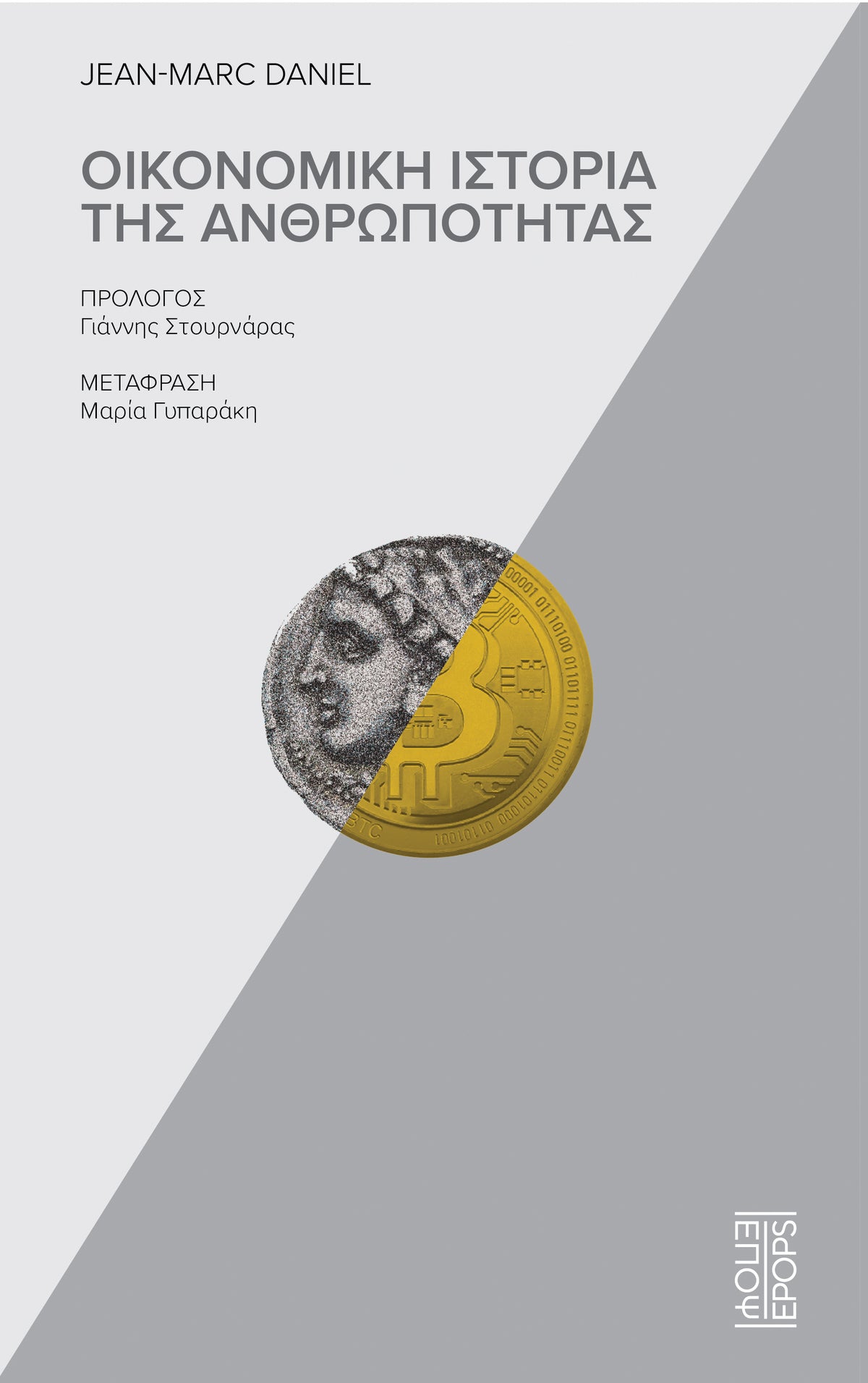

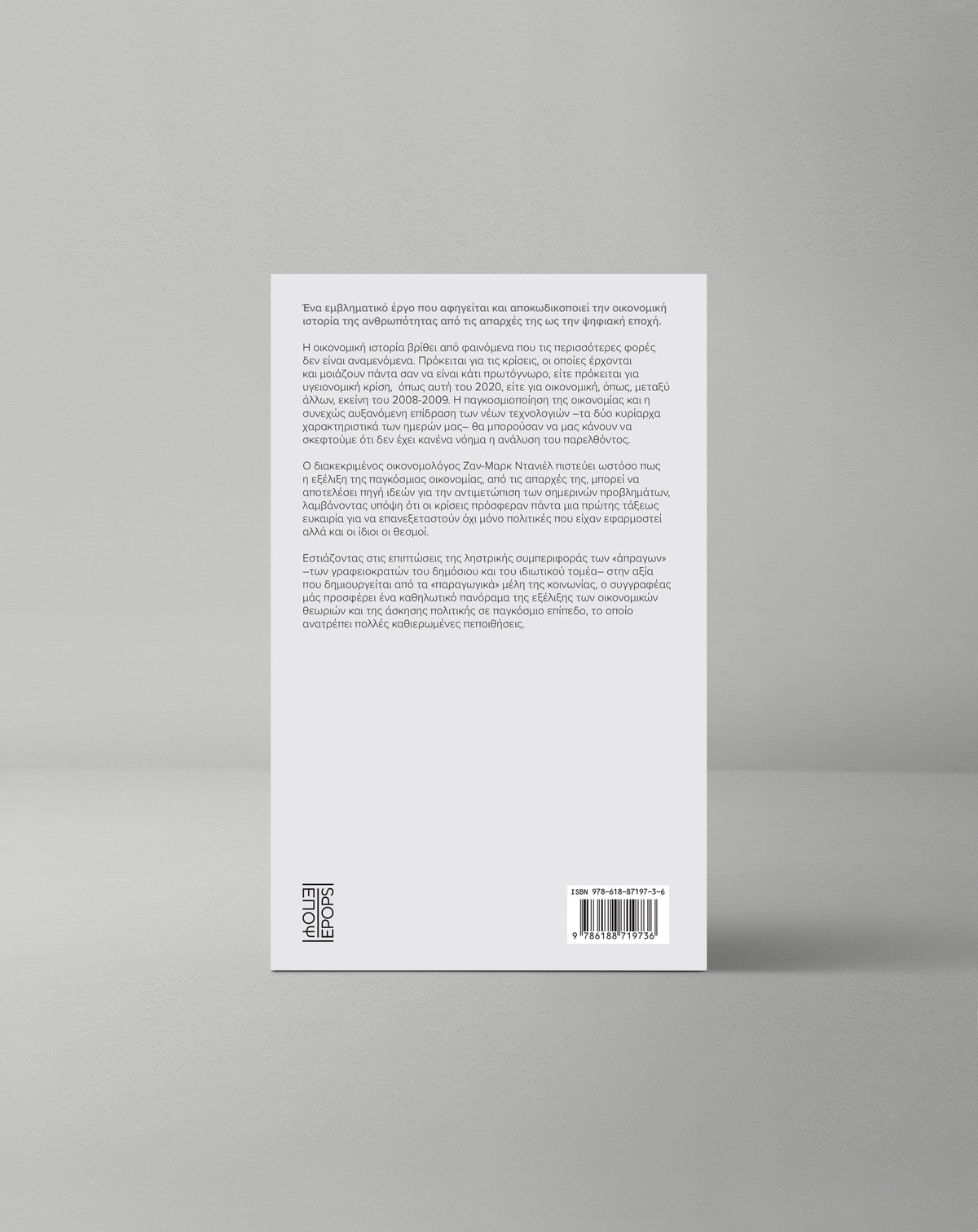
An emblematic work that narrates and decodes the economic history of humanity from its beginnings to the digital age.
Economic history is full of phenomena that are, more often than not, unexpected. These are the crises, which always seem to arrive as something unprecedented—whether it's a health crisis, like the one in 2020, or an economic one, such as the 2008–2009 financial meltdown. The globalization of the economy and the ever-increasing influence of new technologies—the two dominant features of our time—might lead us to think that analyzing the past is pointless.
However, the distinguished economist Jean-Marc Daniel believes that the evolution of the global economy, from its origins, can be a source of ideas for addressing today’s problems. He argues that crises have always offered a prime opportunity to re-examine not only the policies that were implemented but also the institutions themselves.
By focusing on the impact of the predatory behavior of the “idle” bureaucrats—both in the public and private sectors—on the value created by the “productive” members of society, the author presents a gripping panorama of the development of economic theories and policy-making on a global scale, challenging many established beliefs.
_