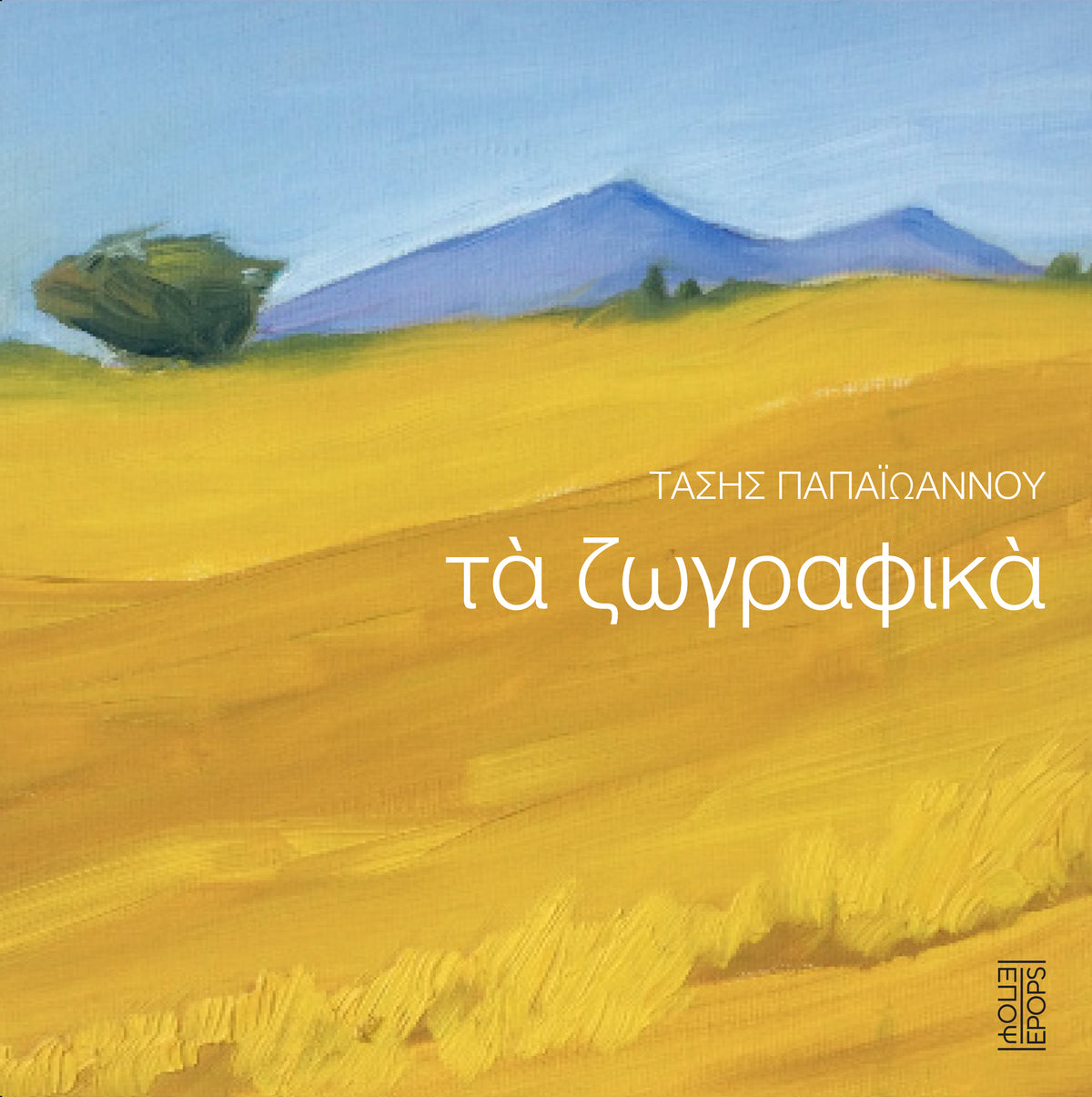
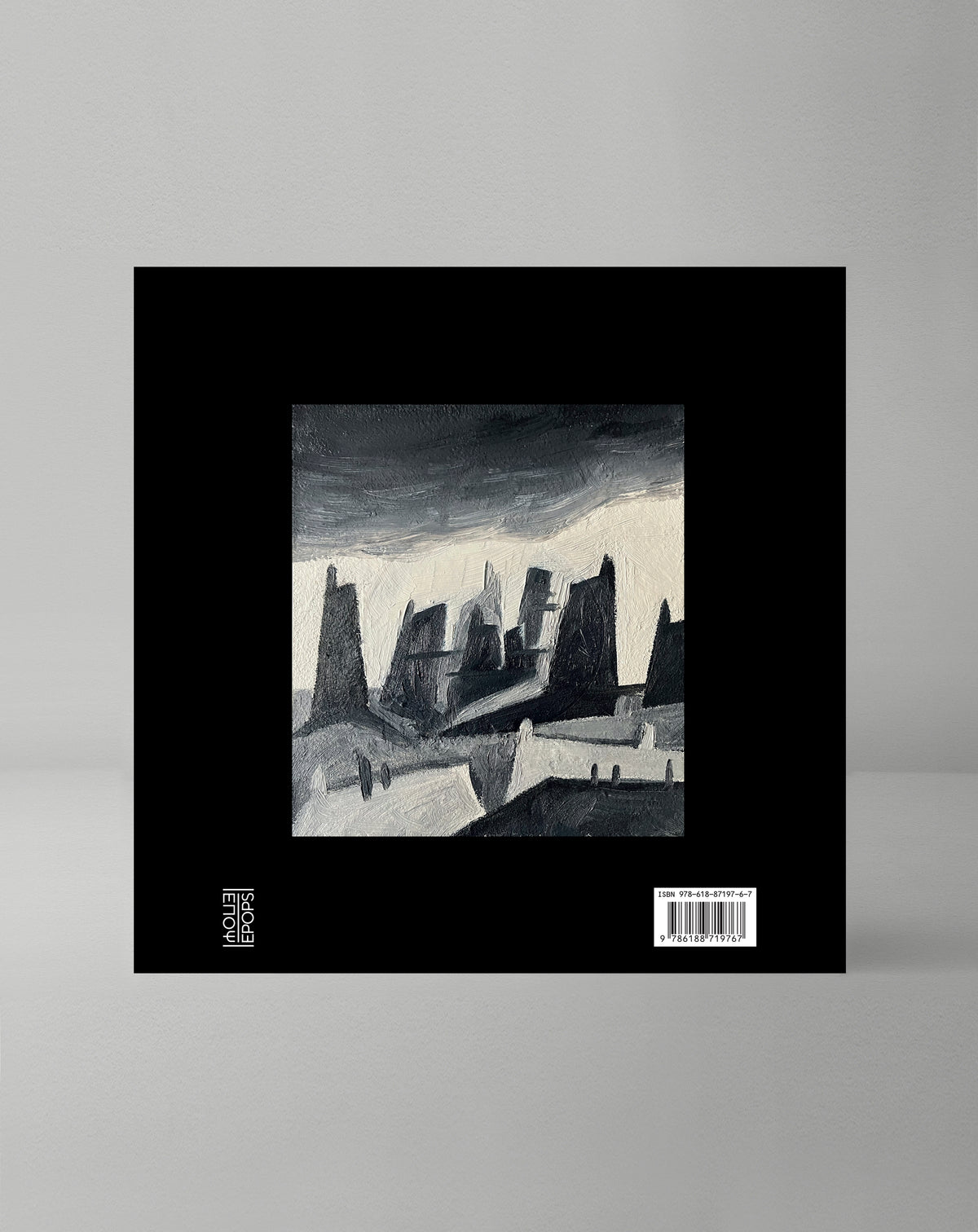
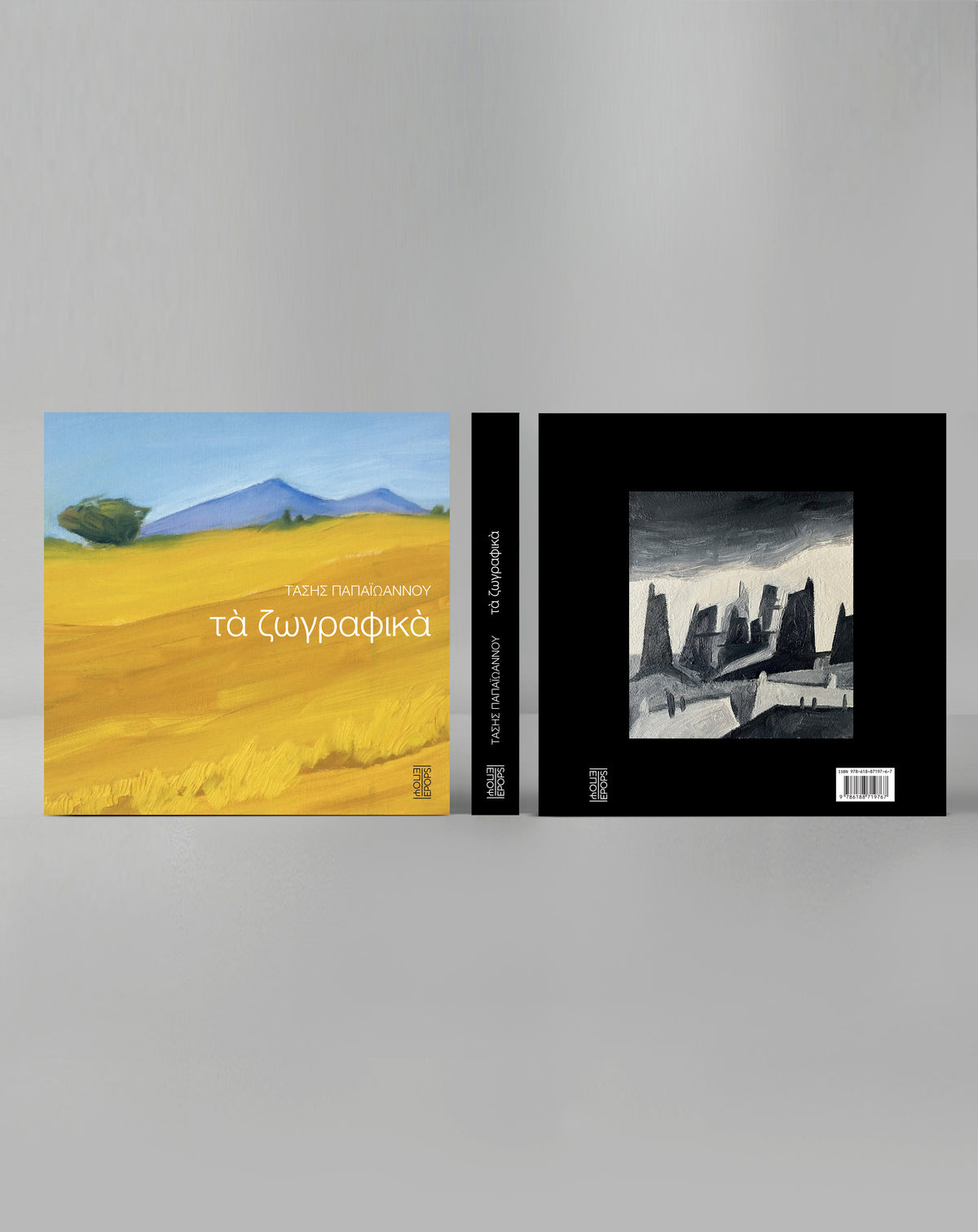
At first glance, what you paint may seem to have little or no connection to the way you design architecture during the same period. The buildings you study and construct may not resemble the subjects you paint. Yet this does not mean they don’t express similar concerns and anxieties—issues that preoccupy and haunt you. If you observe closely, you will always discover shared elements, similarities—not necessarily in terms of form, but in how you see, perceive, and render space. You will then notice the role played by light and shadow, the gradations of color, the weight and texture of materials, the way the environment (natural or artificial) is depicted. Deep down, our gaze is always the same. Painting and architecture are communicating vessels—with the “fluid” always finding balance within them. One art constantly gives to and receives from the other. […]
Through your work—whether pictorial or architectural—you seek the beginning of a dialogue with the Other, as if a primordial need urges you to share with them the eternal questions that haunt you. It’s as if you’re sending your painting into the future, like a letter in a bottle cast into the sea, addressed to an unknown recipient, with the secret hope that they will find it and read it. Something compels you each time to paint, to design, to write—as if a spontaneous impulse rises from within you to resist the passage of time, which leaves upon you the indelible marks of its decay. Or, as Albert Camus so beautifully puts it: “To create is to live twice.” It is the moment of a chimera, in which you vainly struggle to halt the torrential flow of time, to freeze the infinitesimal duration of the present, to ward off the finitude of our mortality.
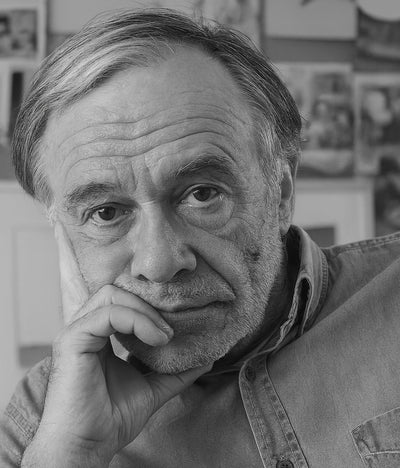
Tassis Papaioannou